Gluten-free Lasagne, tasty & comforting
I love lasagne. It’s just so comforting. The bright tomato filling, the indulgent creaminess of the Bechamel sauce and cheese. And of course nicely filling carbs of the pasta - even when it’s gluten-free pasta.
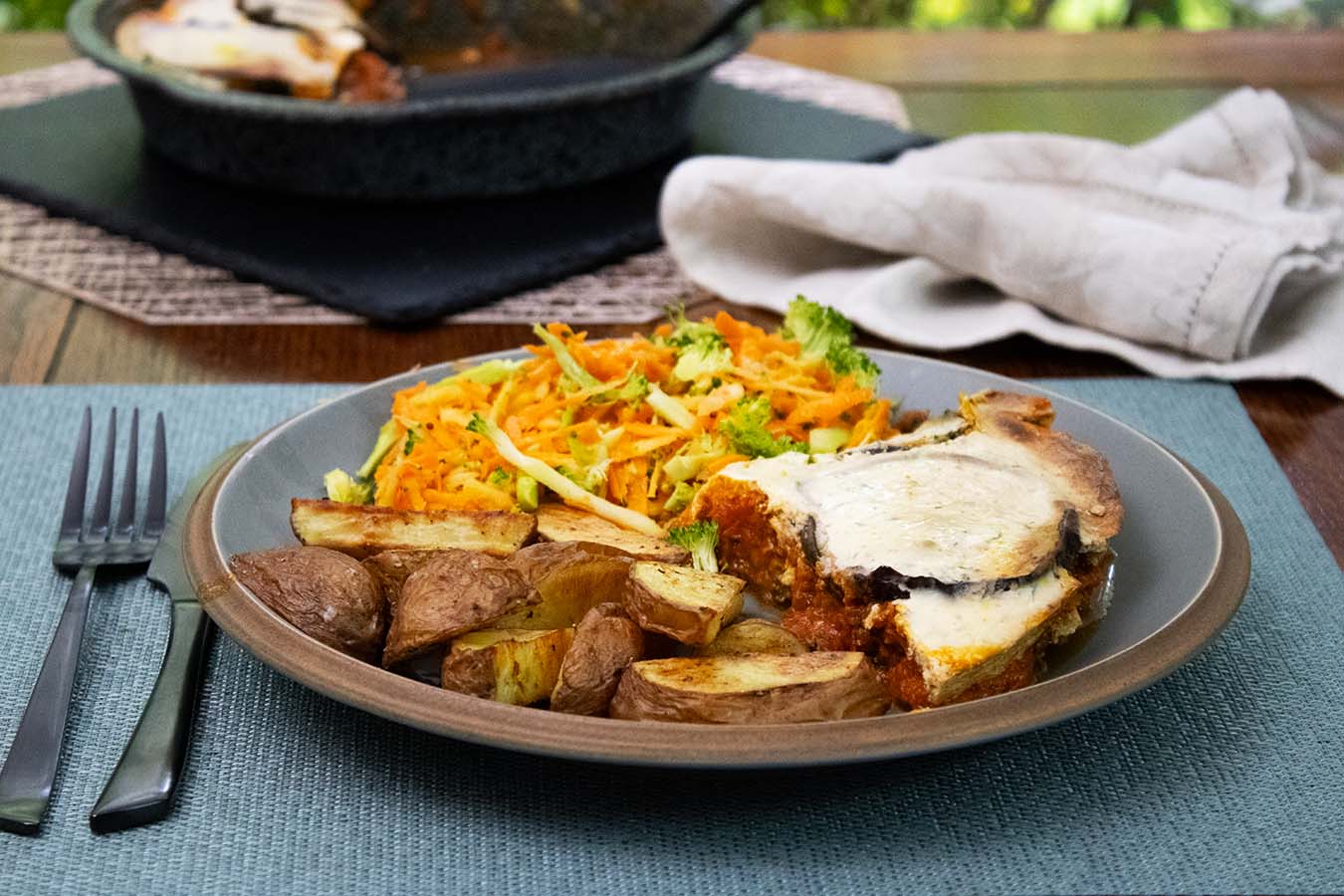
Did you know in Ireland it’s very normal to have lasagne with chips and coleslaw? It’s not bad. Try it.
I wanted to give you the option of a link to an authentic Italian lasagne recipe and I found this one which is 5-star rated.
Reading through it I noted how they advise using fresh pasta rather than dried. It is hard to find fresh gluten-free pasta in the shops. I’ve never seen it. But there is something about how I make this lasagne, that I’ve never mentioned before, that helps soften the pasta sheets. I usually make this late in the evening and then bake it the next day. Bake it - or freeze it after it has cooled.
Lasagne freezes great once it has been assembled and cooled completely. You wrap it in cling film and freeze it. Then on some chilly evening when you need some comforting lasagne, you bake it. I have glass containers that are freezer and oven friendly that fit one large portion of lasagne just for this purpose.
This making lasagne ahead of time may not appeal so much to you, I know. But it might be a good idea to let the pre-baked assembled lasagne sit for an hour or two so that gluten-free sheets gently soak up the sauces and soften up nicely before baking.
One last thing, I add red wine to the meat filling. If you don’t have any handy, add some ketchup and a splash of vinegar instead. Also, if you’re adding wine but it’s not on the sweet side, add a teaspoon of sugar to the tomato filling. Sweetness and acid brings out the tomato flavour.


Gluten-free Lasagne
Yield: Serves 4 - 6
Suitable for: Gluten-free diet
Ingredients:
- 400g lean minced beef
- 6 unsmoked rashers
- 2 medium-sized onion, peeled & chopped roughly
- 1 large carrot, peeled & chopped roughly
- 2 celery sticks, halved
- 2 large garlic cloves, crushed
- 1 tsp dried oregano
- 1 tsp dried basil
- 1 x 400g tin peeled plum tomatoes
- 2 tbsp tomato purée
- ~100ml full-bodied red wine
- pinch of Cayenne pepper, optional
- extra virgin olive oil
- 750ml whole milk
- 75g salted butter
- 2 heaped tbsp gluten-free white flour mix
- ¼ - ½ tsp freshly grated nutmeg
- pinch of ground allspice
- salt & freshly ground pepper
- ~12 pasta sheets
- 125g mozarella cheese
Instructions:
Make the Bolognese filling
Put the carrot, onion and celery in a food mixer and mix until minced. In a large heavy saucepan or frying pan heat a little olive oil. Add the minced carrot, celery and onion to the pan, cover and leave to sweat on a gentle heat for 5 minutes. Meanwhile, remove some of the fat from the rashers chop up roughly, add to the food mixer and mix till minced. Scrape the minced bacon onto a plate. Break the meat apart so that it’ a bit more crumbly rather than all clumped together. Once the carrot, onion and celery have softened a little, push them out to the sides of the pan, turn the heat up to high and add the minced beef to the pan, moving it around until it’s all turned brown, reduce the heat to a gentle-moderate setting and crumble in the bacon. Stir around well. Once the bacon has all turned pale and opaque pour in the tinned tomatoes. Break up the tomatoes with a fork or potato masher. Stir around well. Turn the heat on high and bring to the boil. Stir in the crushed garlic, basil, oregano, tomato puree, wine and a pinch of Cayenne pepper, if using. Turn the heat down and let it simmer for 25 minutes. When it’s cooked, taste and add some salt or pepper or sugar, as needed. I find with the rashers it’s not necessary to add salt, but season according to your tastes. It should have a deep bright tomato flavour.Make the Bechamel sauce
Melt the butter in a saucepan on a gentle heat. This will only take a couple of minutes. Be careful not to let the butter burn. Once the butter is melted, add the flour, nutmeg and allspice. Stir in well to a smooth consistency. This butter-flour blend is called a roux and it is the base of many sauces. Cook the roux on a gentle heat for a further 2-3 minutes, stirring continuously to ensure it doesn’t burn. You want to make sure the flour is completely cooked, otherwise your sauce can taste a little floury or doughy. Add in a good splash of milk and stir it in well so that it’s well combined. I use a whisk for this. Turn up the heat. Add in half of the rest of the milk and keep whisking so that it thickens smoothly. It will take a few minutes for it to thicken. Be patient, with the amount of flour you’ve added it will thicken. Once it does, pour in the rest of the milk and keep whisking until it thickens. It’s important to keep whisking and scraping around the base and sides of the saucepan so that it doesn› burn. Again, it will take a few minutes to thicken but it will thicken. Once it does, remove from the heat. Taste and add some salt and freshly ground black pepper if you like.Assemble the lasagne
Grease an oven dish with a little oil. Add a few spoons of the white sauce over this and line a layer of pasta sheets over it and cover with a layer of the filling. Add some white sauce over the filling before adding another layer. Repeat until you have used up all the filling, there should be plenty for three layers. After the third layer of bolognese filling pour over the rest of the Bechamel sauce and top with either sliced or grated mozzarella cheese. The lasagne is now assembled. To ensure that pasta sheets are properly softened, I will leave it an hour before baking - although usually I leave it overnight, or freeze it once it’s cooled completely and then bake it from frozen at some later date.Bake the lasagne
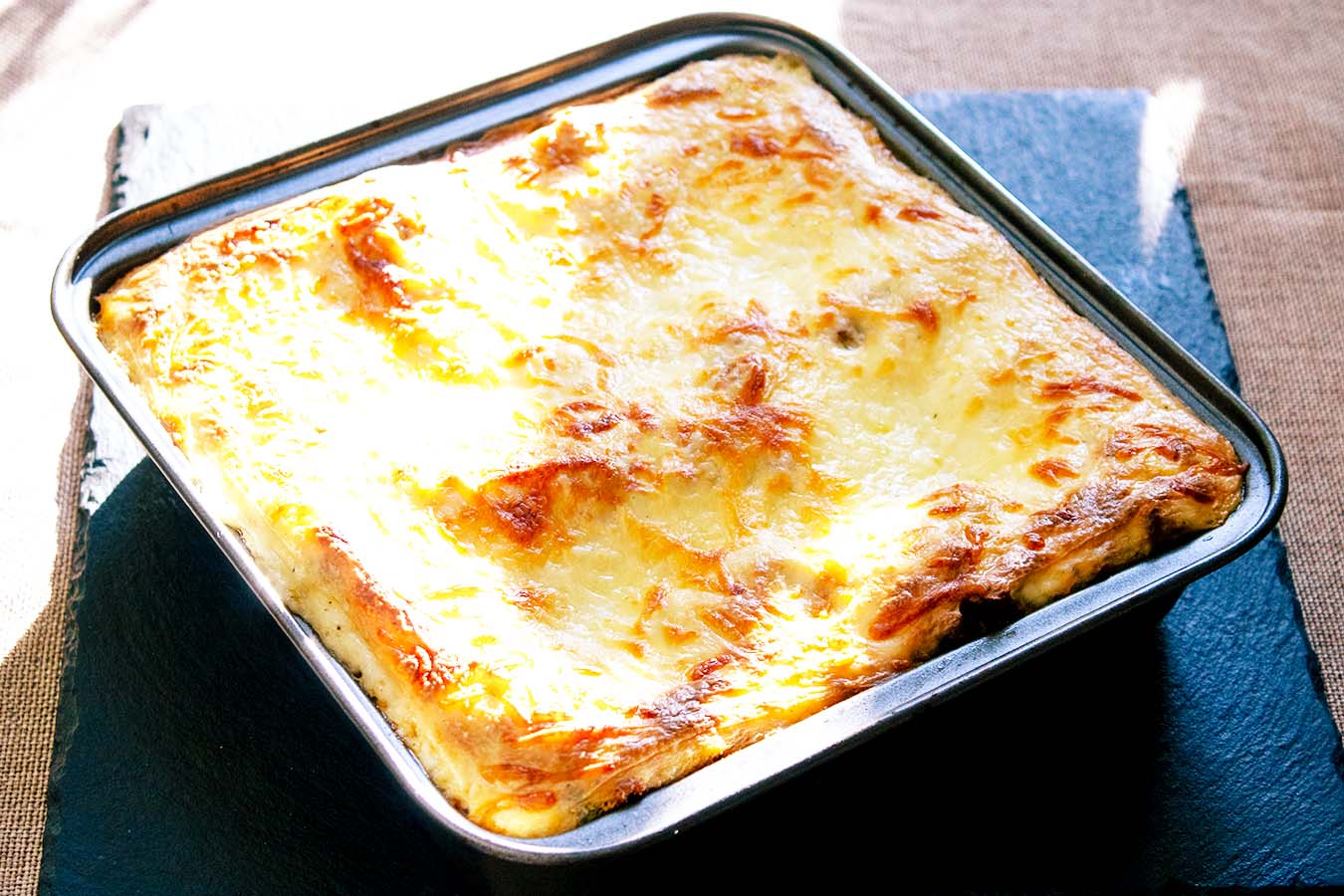
Bake in a pre-heated oven at 180 C until the top is golden brown and blistering. When ready remove from the oven and leave to cool for at least 15 minutes as it will be much easier to slice after cooling a little.
Enjoy!